Disposal Laws for Pimlico House Clearances and Recycling
Posted on 04/07/2026
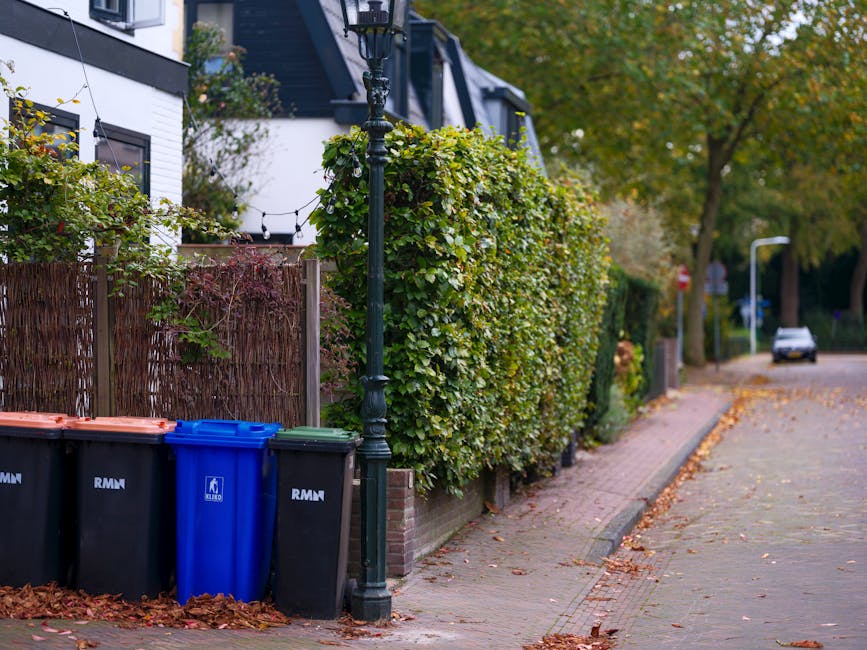
If you are planning a house clearance in Pimlico, the legal side can feel a bit heavier than the furniture itself. A loft full of old boxes, a broken wardrobe wedged down narrow stairs, a few bags of mixed rubbish, maybe a piano that nobody has tuned in years - it all has to go somewhere, and not just "somewhere" in the vague London sense. Disposal Laws for Pimlico House Clearances and Recycling matter because the wrong choice can create fly-tipping risk, council trouble, safety issues, and unnecessary stress. The good news? Once you understand the rules, the whole process becomes much more manageable.
This guide explains how disposal law, recycling expectations, and practical clearance planning fit together in Pimlico. It also shows what to do before, during, and after a clearance so you can stay compliant and avoid messy surprises. In real life, that usually means a little preparation and a lot less guesswork.
Why Disposal Laws for Pimlico House Clearances and Recycling Matters
House clearance sounds straightforward until you start separating what can be reused, what must be recycled, and what genuinely counts as waste. In a dense area like Pimlico, where flats can be tight, stairwells narrow, and loading access limited, disposal decisions affect more than just tidiness. They affect neighbours, shared spaces, parking, timing, and whether the waste leaves the property legally and safely.
The legal framework matters because household waste cannot just be dumped, passed off to someone informal, or left outside for "later". Once waste leaves your control, the responsibility does not disappear. If items are handed to a clearance operator, you need confidence they will manage disposal lawfully. If the job is a DIY clear-out, you need to know which items can go to recycling, what needs special handling, and how to avoid accidental fly-tipping. To be fair, that last one catches people out more than you'd expect.
There is also a sustainability angle. Recycling, reuse, and careful sorting are not just feel-good extras. They are the practical way to reduce landfill, cut transport waste, and keep a clearance job efficient. If you want a broader look at the environmental side, the recycling and sustainability approach on the site is a useful companion read.
Expert summary: In Pimlico, lawful clearance is not only about avoiding penalties. It is about proving that waste was sorted, moved, and handed over responsibly, especially when bulky items, mixed materials, or reusable furniture are involved.
How Disposal Laws for Pimlico House Clearances and Recycling Works
At a practical level, disposal law for a house clearance usually follows a simple chain: identify the items, sort them by type, decide whether they can be reused or recycled, and then arrange lawful transport and disposal. The details matter, though, because different materials carry different risks and expectations.
1. Start with classification
Not everything in a clearance is the same. A chipped chair, an old mattress, a stack of papers, a mirror, and a bag of food waste all need different handling. Some items are reusable. Some can go into mixed recycling if clean and accepted. Some are bulky waste. Others may need specialist disposal because they contain electrical parts, chemicals, or sharp components.
2. Keep waste separated where possible
Mixed loads are easier in the moment, but they often create more work later. If you separate wood, metal, cardboard, small electricals, and general waste before loading, you improve your recycling options and reduce the chance of contamination. That contamination issue is real. A single greasy pizza box or broken container can spoil a recycling bag and send the whole lot to general waste.
3. Use lawful transport and handover
Waste should only be carried by someone who is authorised to do so, and it should go to a proper facility or approved collection route. If you are hiring a removal or clearance service, ask how they handle waste transfer and recycling. A genuine operator should be able to explain the process clearly, without sounding vague or annoyed. If they seem slippery, trust your instincts.
4. Understand special categories
Certain items need extra care. Fridges, freezers, TVs, batteries, paint, solvents, and fluorescent tubes are obvious examples. Mattresses and upholstered furniture can also need separate treatment because they are bulky and sometimes difficult to process. Garden chemicals and cleaning liquids are another one to watch. Leftover tins in a cupboard seem harmless, right up until someone tips them into the wrong skip.
5. Allow for access and local logistics
Pimlico's roads, parking, and building access can make the physical side of disposal as important as the legal side. If a van cannot stop safely, or if loading is rushed, mistakes happen. That is why many people planning a clearance also read up on removal permits in Pimlico and loading bay rules in SW1V before the day itself.
In short: legality, sorting, transport, and access all work together. Miss one part and the whole clearance gets harder.
Key Benefits and Practical Advantages
Following disposal law properly is not just about compliance. It usually makes the whole clearance smoother, cheaper, and less chaotic. There is a reason experienced movers and clearance teams prefer an organised job over a last-minute pile-up in the hallway.
- Lower legal risk: If waste is handled correctly, you are less exposed to fly-tipping concerns or improper disposal problems.
- Better recycling outcomes: Sorted items are more likely to be reused or recycled rather than sent straight to landfill.
- Cleaner handover: Properties look better for sale, letting, or end-of-tenancy checks when clearance is properly managed.
- Safer loading and lifting: A planned removal reduces injury risk and protects walls, bannisters, and floors.
- Less emotional friction: House clearances can be sensitive. A methodical process gives people a bit more breathing room.
There is also a hidden benefit: clarity. Once you know what is recyclable, what counts as rubbish, and what should be kept aside for specialist handling, decisions get easier. You stop second-guessing every object. That alone can save a surprising amount of time.
Who This Is For and When It Makes Sense
This topic matters to a wider group than you might think. It is not only for people clearing a deceased relative's home, though that is a common reason. It also applies to landlords, tenants, homeowners, estate agents, property sellers, and anyone dealing with a cluttered flat or renovation clearance in Pimlico.
You may especially need this guidance if you are:
- preparing a property for sale or rent and need it emptied quickly
- clearing a flat after a move, refurbishment, or downsizing
- sorting inherited belongings and deciding what can be reused
- disposing of bulky items from a basement, loft, or storage room
- managing a student move-out, where furniture and boxes build up fast
- trying to avoid waste disposal mistakes in a shared building
If you are moving out rather than clearing out, it can help to look at related logistics too. The site's pages on flat removals in Pimlico and house removals in Pimlico are useful when the job is as much about moving as disposing.
And if you are dealing with a deadline - a landlord inspection, a sale completion, or a family handover - the practical pressure can be intense. That is where a structured approach really earns its keep.
Step-by-Step Guidance
Here is the simplest legal-minded approach to a Pimlico house clearance. Nothing fancy. Just the process that tends to prevent mistakes.
- Walk through the property room by room. Make a quick list of everything that stays, everything that might be donated, and everything that is definitely waste.
- Identify risky or special items. Look for electricals, batteries, liquids, sharp objects, upholstered furniture, and anything heavy or awkward.
- Separate reusable from disposable items. A usable table, lamp, or chair may have a second life. Dirty or damaged items may not.
- Sort recyclable materials. Cardboard, paper, metal, and some plastics may be recyclable if clean and accepted. Soiled items are another matter.
- Decide on the disposal route. You might use a licensed clearance team, a van-based collection, a local waste facility, or a mixed approach.
- Plan access before moving day. Measure stairwells, protect floors, confirm parking, and check what can be carried safely.
- Keep a record of what is taken. If you are using a professional service, ask for a waste transfer note or equivalent proof of lawful disposal where appropriate.
- Do a final sweep. Check cupboards, loft hatches, behind doors, and under beds. It is always the last shelf that contains the odd surprise.
One useful habit: group items by destination before the team arrives. That way, nobody wastes time asking, "Is this staying or going?" every two minutes. Frankly, that question can drain the life out of a morning.
Expert Tips for Better Results
After enough clearances, a few patterns become obvious. The smooth jobs are rarely the ones with the fanciest equipment. They are the ones where the decision-making was done early.
Label everything before the van arrives
Even simple labels like keep, donate, recycle, and waste can save hours. In a busy flat, that kind of clarity stops confusion from spreading from room to room.
Keep a small "do not move" zone
This is especially helpful in tight Pimlico flats. Put essential documents, keys, chargers, medication, and valuables in one clearly separate place. Small detail, big payoff.
Be realistic about donation quality
A lot of people want items to be reused, which is understandable. But a broken chair with a loose leg is not a noble donation. Reuse only works when the item is actually fit for use.
Choose timing carefully
Morning slots often work best. The light is better, the building is quieter, and parking chaos tends to be slightly less annoying. Slightly.
Ask practical questions before booking
If you are comparing services, ask how they separate waste, whether they handle recycling, and how they manage awkward access. If you want to understand the wider service picture, the services overview is a good place to start.
And yes, it can feel like a lot of admin for a pile of old stuff. But the admin is what keeps the day calm.
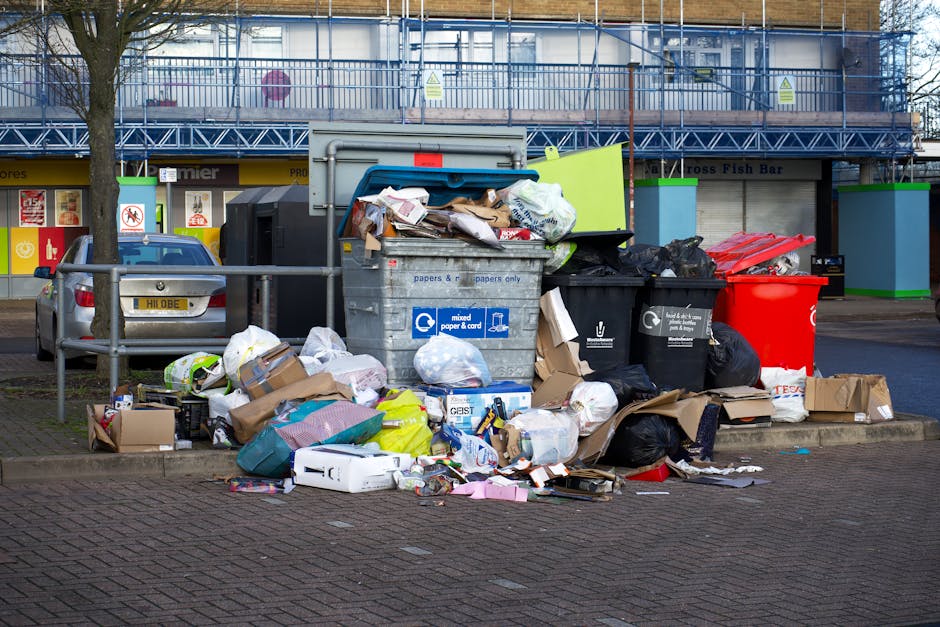
Common Mistakes to Avoid
Most clearance problems are avoidable. The trouble is they often seem minor at first. Then they snowball. A few classic ones show up again and again.
- Leaving sorting until the last minute: If everything is bundled together, recycling opportunities disappear fast.
- Assuming every collector is properly set up: Not every van or man-and-van service handles waste in the same way.
- Mixing hazardous items with general waste: Batteries, fluids, and electrical items should never be tossed in blindly.
- Blocking hallways or fire exits: In shared buildings, this can cause safety issues and upset neighbours.
- Forgetting parking and access: A clearance crew can only work efficiently if they can actually reach the property.
- Ignoring bulky item handling: Large sofas, wardrobes, and mattresses need proper planning and safe lifting.
A more subtle mistake is emotional overload. People sometimes keep too much because they are tired and want decisions over with. That is understandable, but it can be costly. A slower, more deliberate pass usually leads to better choices.
Tools, Resources and Recommendations
You do not need specialist kit for every clearance, but a few practical tools make life easier.
- Strong marker pens and labels for sorting and room-by-room notes
- Heavy-duty sacks and boxes for mixed small items
- Work gloves for handling dusty or sharp objects
- Furniture blankets or wraps to protect items being moved
- Basic tape measure to check whether furniture will fit through exits
- Bin bags for small loose waste but not for hazardous or sharp items
For service planning, the most helpful internal pages are often the ones that explain how the job is handled, what support is available, and what to expect on the day. You may find removal services in Pimlico, man and van Pimlico, and removal companies in Pimlico especially useful if you are weighing up different ways to get the work done.
If your clearance is tied to a bigger move, it can also help to look at packing and boxes in Pimlico and storage in Pimlico. Sometimes the best disposal decision is not disposal at all, at least not yet.
Law, Compliance, Standards and Best Practice
Without pretending to be a legal manual, the safe rule is this: household waste should be handled responsibly, not casually. In the UK, waste duty of care principles mean you should take reasonable steps to ensure items are passed to someone who can deal with them lawfully. In plain English, that means checking who is taking your waste, where it is going, and whether the items are being disposed of appropriately.
For Pimlico residents, there are some especially practical compliance points to remember:
- Do not leave waste on pavements or common areas unless it is part of an approved collection arrangement.
- Do not hand waste to unverified operators simply because they are cheap or available now.
- Keep proof of collection where sensible, particularly for larger clearances.
- Separate recyclable material where practical so it is not contaminated before collection.
- Handle electricals and hazardous items separately if they need special processing.
Best practice also includes safety. A clearance may involve lifting, carrying, dust, trip hazards, and awkward manoeuvres in narrow stairs. If a job feels physically difficult, that is not you being dramatic. It is the layout. Pimlico buildings can be charming and inconvenient at the same time - a bit like old shoes that still look smart.
If you want to learn more about the company's broader approach to responsibility and safe working, the pages on insurance and safety and health and safety policy provide helpful context.

Options, Methods, or Comparison Table
There is no single best disposal method for every Pimlico clearance. The right choice depends on speed, item type, access, and how much sorting you are willing to do.
| Method | Best for | Pros | Trade-offs |
|---|---|---|---|
| DIY disposal and recycling | Small clear-outs, careful sorters | Maximum control, flexible timing | Time-consuming, heavy lifting, more risk of mistakes |
| Van-based clearance support | Mixed household items, bulky loads | Fast, practical, less physical strain | Needs good planning and clear instructions |
| Professional clearance service | Large or urgent clearances | Efficient, organised, usually better for complex jobs | Cost may be higher than DIY |
| Storage first, disposal later | When decisions are not ready yet | Buys time, avoids rushed choices | Not a disposal solution on its own |
For many Pimlico households, the sensible middle ground is a mixed approach: keep, donate, recycle, and then use a van service for the remainder. That is often the least stressful route, especially when stairs are awkward or the deadline is close.
Case Study or Real-World Example
Picture a first-floor Pimlico flat being cleared before a sale. The owners have lived there for years, so the rooms hold a bit of everything: books, small appliances, a sofa that has seen better days, framed prints, boxes of kitchenware, and a few items that are surprisingly valuable once dusted off.
The first pass is not about throwing things away. It is about sorting.
They separate important papers, a lamp that can be reused, cardboard, metal items, and a handful of electricals. One wardrobe is too damaged to keep. A mattress is earmarked for bulky waste handling. A bike, after some debate and one very honest look, goes to recycling rather than storage. Everyone feels more in control once the categories are clear.
On clearance day, the crew checks access, protects the hallway, and loads in stages so the narrow stairwell is not blocked. The result is a cleaner handover, less damage risk, and fewer last-minute panics. Was it glamorous? Not remotely. Did it work? Absolutely.
This kind of job is common across Pimlico, especially where older buildings, shared entrances, and limited parking make planning essential. If you are dealing with a similar property, the local move advice in safe furniture moving tips for narrow stairs and the practical note on handling bulky waste after a Pimlico clearout may save you a headache or two.
Practical Checklist
Use this checklist before the clearance starts. It keeps things tidy in your head, which is half the battle.
- List every room, cupboard, loft, and storage area that needs clearing
- Mark items to keep, donate, recycle, sell, or discard
- Separate special waste such as batteries, liquids, and electricals
- Check whether bulky furniture needs disassembly
- Confirm access, lifts, stair width, and parking arrangements
- Protect floors, corners, and any shared building areas
- Set aside valuables, documents, and sentimental items
- Arrange the right disposal or clearance method in advance
- Ask for proof of lawful collection where appropriate
- Do a final room-by-room sweep before the team leaves
That final sweep matters more than people think. Kitchen drawers, top shelves, and behind wardrobes often hide one more bag, one more cable, one more thing you meant to keep. It happens.
Get a free quote today and see how much you can save.
Conclusion
Disposal laws for Pimlico house clearances and recycling are really about doing the job properly: sorting items, using the right disposal route, respecting local access realities, and making sure nothing ends up dumped or mishandled. Once you approach the job with a bit of structure, it becomes far less intimidating.
The big win is peace of mind. You know the property is being cleared responsibly, recyclable materials are not being wasted, and awkward items are being dealt with in a way that makes sense for the building and the street outside. In a place like Pimlico, where space is precious and logistics matter, that is not a small thing.
If you are planning a clearance soon, give yourself a little extra time, sort the items properly, and choose the disposal method that fits the property rather than fighting it. Small preparation now tends to save a lot of strain later. And honestly, that is a very good trade.


 CALL US NOW


