Loading Bay Rules in SW1V: Parking Fines and Permits
Posted on 21/06/2026
If you are trying to load or unload in SW1V, the rules can feel oddly specific for what should be a simple task. One minute you're juggling boxes, the next you're wondering whether the van is in the right bay, whether a permit is needed, and whether that flashing ticket machine nearby is going to cost you more than the move itself. That is exactly why Loading Bay Rules in SW1V: Parking Fines and Permits matters: it helps you avoid a costly mistake and keeps the day moving instead of stalling at the kerb.
In Pimlico and the wider SW1V area, loading space is often limited, shared, and time-sensitive. That means the difference between a smooth drop-off and a penalty charge can be surprisingly small. This guide breaks down how loading bay use typically works, what usually triggers fines, when permits come into play, and how to plan a safe, legal, low-stress move. If you're arranging a flat move, an office drop, or even a quick delivery, a bit of local know-how goes a very long way.
Quick takeaway: loading bays are not "free parking with a bigger sign". Use them only for legitimate loading or unloading, follow the time limits and local restrictions, and make sure you understand whether the vehicle, job type, and location need advance permission.
For readers organising a move in the area, it can also help to look at practical local guidance such as whether Westminster Council requires removal permits in Pimlico and broader move planning support through flat removals in Pimlico or man and van services in Pimlico. Not every move needs the same setup, and in SW1V that detail really matters.
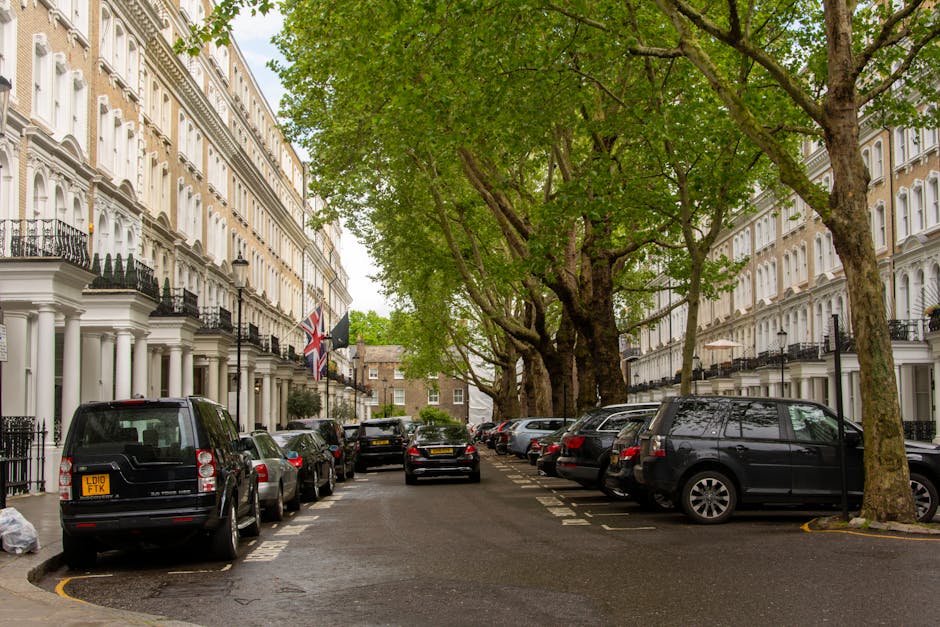
Why Loading Bay Rules in SW1V: Parking Fines and Permits Matters
SW1V is one of those London postcodes where road space is precious and road users all want the same few metres at the same time. Delivery vans, removals vehicles, residents, tradespeople, and taxis are often competing for access. So if you assume you can just stop "for a minute", you may be taking a risk without realising it.
Loading bay rules matter because they are usually enforced on intent as much as location. In plain English: if you are genuinely loading or unloading, that is different from parking. But the vehicle still has to fit the rules of the bay, the street, the time window, and any local restrictions. It sounds fussy, and to be fair, it often is. But those details are exactly what keep your vehicle from being ticketed or moved on.
A common local scenario is a small flat move on a weekday morning. The removal team arrives, finds a bay occupied, and has to circle the block while the clock ticks. Ten minutes later someone parks in front of the building entrance. Now the job is awkward, slower, and riskier. That is how fines begin: not with dramatic mistakes, but with small delays and assumptions.
If you're new to the area, the street layout can also be deceptive. A road that looks broad on a map may have tight kerb space, recessed loading areas, or restrictions that apply only at certain times. That's why local familiarity is valuable. You can get a feel for the area through local views on living in Pimlico, especially if you are planning regular deliveries or a larger move.
Why this is such a big deal: one bad parking decision can disrupt the job, inconvenience neighbours, and create avoidable cost. A little planning saves a lot of hassle. Simple as that.
How Loading Bay Rules in SW1V: Parking Fines and Permits Works
Loading bays are typically designed for short-term stopping to load or unload goods. They are not the same as ordinary parking spaces, and they are not a loophole. In practice, their use depends on a few moving parts: the bay markings, the street signs, the operational hours, whether the bay is shared with other parking controls, and whether the activity genuinely counts as loading.
In SW1V, the precise rules can vary from street to street. That is why you should never rely on a "similar road nearby" as a guide. A bay on one street may allow loading only during set hours, while another may be reserved, suspended, or part of a controlled parking zone. A driver who assumes the same logic applies everywhere can end up with a fine before the first box is out of the van. Annoying, yes. Avoidable, also yes.
Permits can come into the picture in a few ways. Sometimes a removal or delivery activity needs pre-arrangement, especially if the vehicle will occupy space for longer than a standard loading period or if a suspension is needed. Sometimes a resident, building manager, or contractor needs to coordinate access for the move. And sometimes the bay can be used without a separate permit, provided the stop stays within the local rules. The key is not to guess.
Fines usually happen when one of these things goes wrong:
- The vehicle stays beyond the allowed loading period.
- The stop is made in a restricted bay or during non-allowed hours.
- The activity looks like waiting, not loading.
- The driver leaves the vehicle unattended for too long.
- A permit or suspension should have been arranged but wasn't.
That "looks like waiting" point catches people out. If someone is inside the building for twenty minutes and nothing is being moved, an enforcement officer may not view that as active loading. So keep the flow going, keep items ready, and keep at least one person focused on the vehicle when possible.
For larger or more delicate moves, the bay is only one part of the puzzle. If the building has narrow hallways or awkward stairs, the loading bay plan should be matched with the route inside the property too. Our guide to safe furniture moving in narrow Pimlico flats is useful in that regard because the less time spent faffing at the kerb, the better.
Key Benefits and Practical Advantages
Used properly, a loading bay is not just a legal requirement; it is a practical tool. When you get the timing and paperwork right, the whole job feels calmer. The van is closer to the entrance, lifting distances are shorter, and fragile items spend less time being carried across busy pavements or through rain. Very British, that last bit, but true.
Here are the main benefits of getting loading bay use right in SW1V:
- Lower risk of fines: Following the rules reduces the chance of penalty charges or enforcement action.
- Faster loading and unloading: Shorter walking distance means fewer delays.
- Better handling of heavy items: Sofas, appliances, and cabinets are easier to move safely.
- Less disruption to neighbours: A controlled stop can be more orderly than circling or double-parking.
- Cleaner move-day coordination: Clear access helps removals crews work more efficiently.
There is also a subtle advantage people forget: confidence. If your driver knows the bay is legal and the timing is sorted, the whole team tends to move with less tension. Nobody is peeking up and down the street every thirty seconds. Nobody is wondering whether a ticket is already printing. That calm matters.
From a commercial point of view, it also helps protect quotes and schedules. If a team has to spend an extra half hour hunting for parking or moving vehicles, that can affect the day's timing. For anyone booking a local move, it may be worth reviewing pricing and quotes alongside the practical access plan, so expectations are aligned from the start.
Who This Is For and When It Makes Sense
Loading bay rules in SW1V are relevant to much more than removals. If the vehicle is stopping to transfer goods, the rules may apply. That includes private households, landlords, tenants, office managers, tradespeople, students, and anyone receiving bulky items.
This matters especially for:
- House movers: when furniture, boxes, or appliances need to be transferred quickly and safely.
- Flat movers: where access is tight and kerbside access can make or break the schedule.
- Office relocations: where equipment, filing, and furniture arrive in batches.
- Student moves: often smaller, but still awkward if timing is poor.
- Bulky deliveries: wardrobes, sofas, white goods, and similar items.
- Clear-outs: when waste or unwanted items must be removed properly.
It can also make sense if you are only moving one large item. A piano, for example, is not something you want to drag from the far end of a side street in a rush. Same goes for anything bulky or valuable. In those cases, planning the loading bay access is part of the job, not an afterthought. If you are dealing with something especially heavy or delicate, piano removals in Pimlico show how specialist handling and access planning go hand in hand.
When does it make most sense to take loading bay rules seriously? Pretty much always, but especially if:
- You are moving on a weekday or during busy hours.
- The property is on a road with active parking controls.
- The vehicle will need to remain close to the entrance.
- Your move includes multiple trips.
- You cannot afford delays or penalties.
In short: if the job is more than a quick handover, plan like a professional.
Step-by-Step Guidance
Here is a practical way to handle SW1V loading bay use without overcomplicating it. It's not glamorous, but it works.
- Check the street signs first. Look for loading bay markings, times of operation, and any extra restrictions. Do not rely on memory or guesswork.
- Confirm whether the stop is genuine loading. If you are not actively moving goods, the bay may not be usable under loading terms.
- Plan the vehicle size and arrival time. A longer van may need more manoeuvring room. Arriving at the wrong time can mean the bay is already occupied.
- Decide whether a permit or suspension is needed. This is especially important for larger moves, repeat visits, or building-managed access.
- Keep the load active. Have boxes, trolleys, and people ready so the van is not sitting idle.
- Assign someone to watch the vehicle if possible. One pair of eyes on the street can prevent a costly surprise.
- Build in a buffer. A five-minute delay in SW1V often becomes fifteen. Streets can be tight, and life likes to interfere.
- Leave room for the unexpected. If a bay is blocked, have a backup plan rather than improvising under pressure.
A small but useful tip: keep the first wave of items near the exit before the vehicle arrives. That reduces idle time and makes the loading period look, and function, like actual loading. It sounds obvious. Yet that one habit saves many a move-day headache.
If you are organising a bigger home move, it may help to use a structured moving checklist and coordinate it with the loading plan. For example, this local move checklist is a good model for keeping the day disciplined without becoming obsessive about it. Nobody wants a spreadsheet for a sofa, but some planning does make life easier.
Expert Tips for Better Results
In practice, the best loading bay outcomes usually come from small details done well. Not grand strategy. Not clever tricks. Just solid preparation.
Tip 1: treat the booking time as your real deadline. If the crew arrives exactly on time but the boxes are not ready, you've already lost momentum. Aim to be ready a little early. Not in a panicked way, just prepared.
Tip 2: use the shortest sensible route. If there is a safer entrance or less crowded pavement side, choose it. A few extra steps outside can save a lot of awkward twisting inside.
Tip 3: split the job into two phases if needed. For larger moves, it can help to do a first light-load pass, then heavier furniture. That reduces congestion around the vehicle and keeps the bay turnover brisk.
Tip 4: make one person the decision-maker. Too many voices on the kerb can slow everything down. One person should keep the plan moving and answer the question, "Do we need to shift now?"
Tip 5: keep documents and contact details close. If a permit, booking note, or building instruction is needed, have it available immediately. Fumbling through emails while standing beside a van in traffic is nobody's favourite moment. Not even close.
One more thing: if the move involves specialist access, safety, or a tricky building layout, it may be worth checking the company's general approach to safe handling through insurance and safety guidance and health and safety policy. That won't tell you every street rule, of course, but it does show how the job is managed behind the scenes.
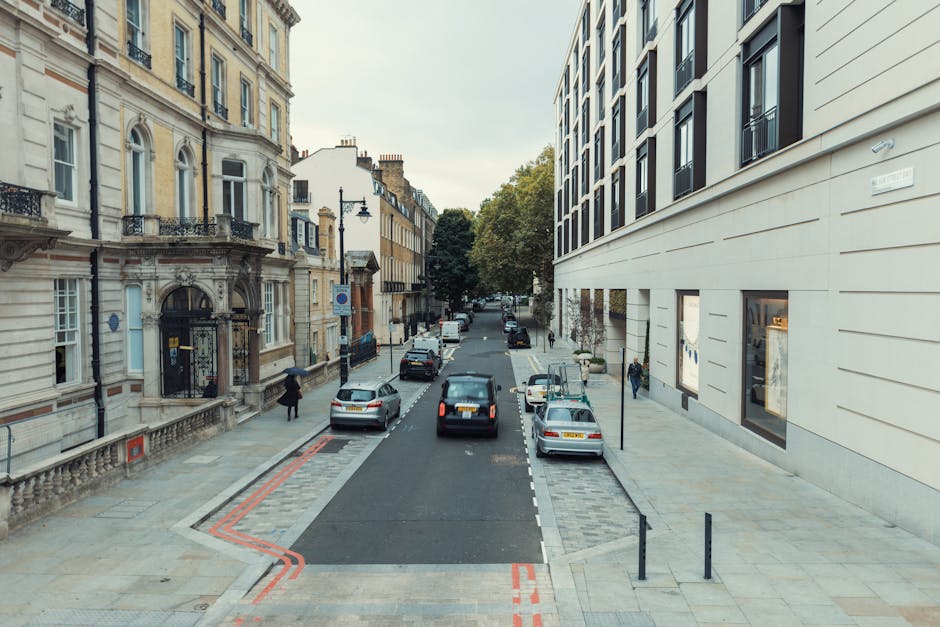
Common Mistakes to Avoid
Most fines and delays are not caused by one giant error. They come from a chain of small assumptions. Here are the big ones to watch.
- Assuming all loading bays are the same. They are not. Time limits and rules can differ street by street.
- Using the bay as waiting space. Loading bays are for active loading or unloading, not for sitting around.
- Forgetting about traffic and occupancy. Even if a bay exists on paper, it may be taken when you arrive.
- Leaving too little time. The move always takes longer than the optimistic version in your head.
- Ignoring building access constraints. A bay is useless if the lift is broken or the hallway is blocked with recycling bins.
- Not arranging permissions early enough. If approval is needed, last-minute requests can be awkward or impossible.
- Underestimating enforcement. Tickets can arrive quickly. Faster than expected, honestly.
Another practical mistake is focusing only on the van and forgetting the rest of the route. If the pavement is narrow, the front door is awkward, or the stairwell is tight, the bay plan should match the handling plan. The two go together. Otherwise you save five minutes at the kerb and lose ten inside.
For anyone clearing a property at the same time, waste handling is another place where mistakes happen. If you have bulky items to dispose of, it is worth thinking ahead rather than leaving them to pile up after the move. A useful read on that side of the job is handling bulky waste after a Pimlico clearout.
Tools, Resources and Recommendations
You do not need fancy equipment to use a loading bay well, but a few practical tools make life much easier.
- Printed move schedule: Helpful if your phone battery dies or signal drops.
- Hand trolley or sack truck: Reduces the time spent moving smaller loads.
- Protective blankets and straps: Speeds up safe handling and protects items.
- High-visibility clothing: Useful for anyone working at the roadside, especially in busier periods.
- Clipboard or note sheet: Good for permit details, timing, and contact numbers.
For local planning, it can also be useful to compare the move with the building type. A top-floor flat, a house with easier access, and an office with loading restrictions all need different pacing. If your move is only one part of a bigger transition, services overview and removal services in Pimlico can help you match the right support to the job.
And if your load is especially awkward, consider whether you need more than a standard van. Some jobs are simply easier with the right-sized vehicle and crew. A smaller vehicle can sometimes fit tighter access points, while a larger one can reduce trips. Either way, the vehicle choice should suit the road and the bay, not just the inventory list.
Law, Compliance, Standards, or Best Practice
Loading bay use is one of those topics where best practice and compliance overlap heavily. The exact legal position depends on the location, signage, local traffic orders, and any permits or suspensions in place. Because of that, it is safest to treat the street signs and local instructions as the immediate authority for day-to-day decisions, while remembering that local parking rules can be enforced even when the stop feels temporary.
As a general best practice, drivers should ensure the vehicle is there only for genuine loading or unloading and only for as long as necessary. If a permit or authorisation is required, it should be arranged in advance. If access is unclear, the job should be checked before the van arrives rather than after everyone is already standing by the kerb. That avoids a lot of stress. And stress, let's face it, is expensive in its own way.
For commercial moves, safety and responsibility also matter. Heavy items should be handled with suitable equipment, and staff should understand the risks of manual lifting, moving in traffic, and working around tight spaces. Sensible operators will also keep insurance, terms, and payment processes clear before the job begins. If you want to see how a professional provider frames those responsibilities, the relevant pages on terms and conditions, payment and security, and about us are worth a look.
There is no magic shortcut here. The safest approach is simple: read the signs, confirm permissions, plan the timing, and keep the activity genuinely within loading rules. That combination is usually enough to stay on the right side of enforcement.
Options, Methods, or Comparison Table
Different loading situations call for different approaches. Here is a straightforward comparison to help you decide what is most suitable.
| Method | Best For | Pros | Limitations |
|---|---|---|---|
| Standard loading bay stop | Short, active loading or unloading | Fast, simple, usually the least disruptive | Time-limited, enforcement-sensitive, space may be unavailable |
| Pre-arranged permit or suspension | Larger moves, controlled access, repeated stops | More certainty, less stress, better scheduling | Needs planning and may depend on approval |
| Alternative nearby legal parking | When the loading bay is unavailable | Useful fallback, may be easier to secure | Longer carry distance, slower loading |
| Small vehicle strategy | Tight streets and limited access | Easier manoeuvring, better fit in constrained spaces | May require more trips for larger loads |
If you are deciding between these, think about three things: the amount of stuff, the access at the building, and the amount of time you truly have. That last one is often the hidden variable. A "small" move can still be complicated if the street is busy and the lift is out of action. Funny how that works.
Case Study or Real-World Example
Here's a realistic SW1V-style scenario. A couple are moving out of a first-floor flat with a narrow staircase and a wardrobe that definitely looked smaller in the shop. They book a van for late morning, assuming the loading bay outside will be free. It isn't. Another vehicle is using it for a legitimate delivery, and the nearest alternative space is farther down the road.
Instead of forcing the issue, they use a fallback plan. One person stays ready with boxes at the entrance, the driver identifies a legal stop a short walk away, and the heavier items are carried in manageable stages. It takes longer than hoped, but it stays orderly and avoids a fine. The key difference was not luck; it was having a backup and not pretending the first plan would never fail.
In another local move, a small office shift succeeds because the team pre-clears equipment, books the right vehicle size, and arranges timing so the loading bay is used actively for only a short period. The entire job feels unremarkable, which is actually the ideal outcome. Nobody celebrates a smooth parking plan, but they should.
That's the real lesson: good loading bay practice is invisible when it works. You notice it most when it goes wrong.
Practical Checklist
Use this checklist before the vehicle arrives. It keeps things grounded.
- Check the street signs and bay markings carefully.
- Confirm the loading bay hours and any restrictions.
- Verify whether a permit, suspension, or authorisation is needed.
- Make sure the van size suits the street and the load.
- Prepare boxes, furniture, and equipment in advance.
- Assign someone to monitor the vehicle if possible.
- Keep lifting routes clear inside the property.
- Have a fallback plan if the bay is occupied.
- Allow extra time for delays, access issues, and traffic.
- Keep all relevant move notes and contact details accessible.
Practical summary: if the load is ready, the signage has been checked, and the move stays active, you are already ahead of most avoidable problems.
If you would rather have help coordinating the vehicle, access, and timing, it may be sensible to speak with a local team through the contact page or compare options across man with a van Pimlico and removals in Pimlico. For many people, that support is what turns a stressful day into a manageable one.
Conclusion
Loading bay rules in SW1V are not especially glamorous, but they are one of those practical details that can quietly make or break a move. If you understand when a bay can be used, when a permit may be needed, and what usually triggers fines, you give yourself a far better chance of a smooth, legal, low-drama day. And honestly, that is what most people want. No tickets, no panic, no frantic circling around the block while someone mutters under their breath.
The safest approach is also the simplest: read the signage, plan the timing, keep the loading active, and do not leave parking decisions to guesswork. If the job is larger or the access is awkward, get the support and planning right from the start. That one decision can save time, money, and a fair bit of stress.
Get a free quote today and see how much you can save.
Sometimes the best move-day win is just a calm, uneventful kerbside stop. Quietly efficient. That's the dream, really.


 CALL US NOW


