Narrow Stairs in Pimlico Flats? Safe Furniture Moving Tips
Posted on 02/06/2026
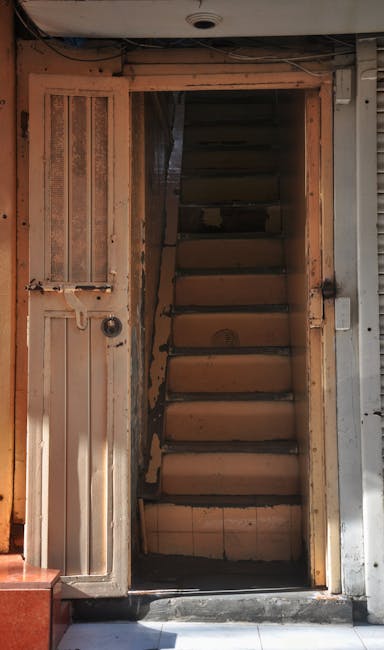
If you live in Pimlico, you probably already know the feeling: the hallway looks fine, the sofa looks fine, and then the staircase turns into a problem. Narrow stairs in Pimlico flats can make even a simple furniture move feel awkward, risky, and a bit exhausting. Truth be told, it only takes one tight landing or a sharp turn to turn a routine job into a scratched wall, a strained back, or a furniture item stuck halfway up the stairs.
This guide breaks down Narrow Stairs in Pimlico Flats? Safe Furniture Moving Tips in a practical, local way. You will learn how to measure properly, protect your home, move furniture safely, decide when to disassemble, and recognise when it is smarter to bring in help. We will also cover common mistakes, a realistic checklist, and the sort of best practice that keeps a move calm instead of chaotic.
For readers comparing moving options, it can also help to look at broader support services like furniture removals in Pimlico, flat removals in Pimlico, and the wider removal services in Pimlico available for compact homes, upper-floor properties, and awkward staircases.

Why Narrow Stairs in Pimlico Flats? Safe Furniture Moving Tips Matters
Pimlico has a lot going for it: handsome terraces, converted flats, and that classic central London layout where space is precious and stairs can be stubbornly tight. Many flats were not designed with modern bulky furniture in mind. That is the reality. A king-size bed frame, a wide wardrobe, or a heavy sideboard may fit the room beautifully, but the staircase may tell a very different story.
Safe moving is not just about avoiding inconvenience. It is about preventing damage to walls, bannisters, floors, door frames, and the furniture itself. Just as importantly, it protects people. Carrying a large item down a narrow stairwell often means awkward body positions, poor visibility, and sudden balance shifts. You really do not want to be the person saying, "it'll be fine" right before the corner turns into a wrestling match.
In a Pimlico flat, the route matters as much as the item. A good move starts with understanding the building, the stair width, the turning space on each landing, and whether doors need to be removed. If you are already planning a move or a clearout, pages like house removals in Pimlico and man and van services in Pimlico can give you a clearer picture of the kind of support available for smaller and larger jobs alike.
Key takeaway: narrow stairs are not a reason to panic; they are a reason to plan. The safer the plan, the smoother the move.
How Narrow Stairs in Pimlico Flats? Safe Furniture Moving Tips Works
The basic idea is simple: reduce size, reduce weight, protect surfaces, and control movement. In practice, that means preparing the furniture and the route before anyone starts lifting. Most moving mishaps happen because people begin with the item in hand instead of the stairwell in mind.
Here is the usual flow. First, measure the furniture and the stairwell. Then decide whether the item can be moved intact, partially dismantled, or taken by an alternative route. After that, clear the path, protect the surfaces, and assign roles so nobody is guessing mid-lift. A well-organised move feels almost boring compared with a rushed one, and boring is good here.
There is also a practical question of access. Some Pimlico buildings have tight internal staircases but easier front access; others are the reverse. If a lift is available, use it properly and check size limits before assuming anything. If there is no lift, or it is too small for the furniture, the staircase becomes the only route, so every centimetre counts. That is where services such as removal van support in Pimlico and man with a van in Pimlico can be useful, especially when the furniture needs careful loading and unloading around a tight building.
There is no magic trick, really. It is just method. And method saves elbows, plaster, and patience.
Key Benefits and Practical Advantages
Moving furniture safely through narrow stairs offers more than damage prevention. The process becomes quicker, less stressful, and much easier to coordinate. When you strip the job back to planning, measurement, and protection, the move tends to feel controlled instead of improvised.
Some of the clearest benefits include:
- Less risk of damage: furniture corners, stair edges, and painted walls stay in better condition.
- Less physical strain: a planned lift is easier on backs, shoulders, and wrists.
- Better time management: fewer surprises mean fewer delays on moving day.
- More accurate decisions: you can decide early whether an item must be dismantled or stored.
- Improved confidence: the whole household feels calmer when there is a plan.
There is also a hidden benefit that people often overlook: protecting the common parts of the building. In a shared Pimlico flat, a scuffed bannister or chipped wall can become a real headache with neighbours or landlords. A careful move keeps everyone happier. To be fair, that alone can be worth the planning.
If you are downsizing, refurbishing, or simply moving things around a flat, storage may also help. A short-term pause can make the staircase problem much easier to solve. For that, storage in Pimlico can be a sensible part of the picture, especially when you need to split the move into stages.
Who This Is For and When It Makes Sense
This advice is useful for a surprisingly wide group of people. If you live in a first-floor or upper-floor flat in Pimlico, if you are moving into a period conversion, or if your stairs have a sharp turn halfway up, this is for you. It also matters if you are moving a single large item rather than a full household.
Common scenarios include:
- moving a sofa into a top-floor flat
- replacing bedroom furniture in a compact conversion
- taking a dining table down a narrow stairwell
- moving out of a flat with a tight entrance hall and limited landing space
- delivering furniture after a purchase or online marketplace collection
This guidance is especially relevant for students, renters, and buyers who may be moving on a deadline. For example, if your move needs to happen fast, you may want to compare local support options such as same day removals in Pimlico or the broader removals in Pimlico service page. Sometimes speed matters, but speed without planning is where the trouble begins.
It also makes sense if you simply do not have enough hands. A heavy chest of drawers on narrow stairs is not a solo job. Let's face it, some things are best left to a team, not a heroic lift gone wrong.
Step-by-Step Guidance
If you want a safe result, start with the route and work backwards from there. The following steps are simple, but they solve most of the real-world problems that come up in narrow Pimlico staircases.
- Measure the furniture properly. Measure height, width, depth, and any awkward protrusions such as handles, feet, armrests, or bed slats. Do not guess. Guessing is how wardrobes end up stalled on the landing.
- Measure the staircase and doorways. Check the narrowest point, the handrail clearance, landing turns, and any doors along the route. Sometimes a door off its hinges makes all the difference.
- Decide what should be dismantled. Remove legs, shelves, drawers, cushions, mirror panels, and anything else that reduces bulk. Many items move better in parts than in one piece.
- Clear the route. Move shoes, mats, ornaments, bins, bikes, and anything else that can trip someone or narrow the path.
- Protect the surfaces. Use blankets, corner protection, cardboard, or wraps on sharp edges. Bannisters and painted walls are the usual casualties if you skip this step.
- Assign clear roles. One person leads, one supports, and one watches the path if needed. Too many voices can be as unhelpful as too few.
- Use the right carry technique. Keep the load close to the body where possible, move slowly, and take breaks on landings. Never twist while stepping.
- Communicate every move. Simple signals work best: stop, lift, pause, turn. Short instructions beat chatter every time.
- Test the turn before committing. If the staircase bends, turn the item slightly and check the line before pushing forward. A tiny adjustment can save a lot of swearing.
- Reassess before each floor. What looks manageable from below can feel very different halfway up. Stay flexible.
If an item will not go safely, stop. That is not failure. It is judgement.
Expert Tips for Better Results
People often ask what experienced movers do differently. The answer is usually less dramatic than they expect. Professionals tend to prepare more, rush less, and make smaller decisions sooner. That is the secret, if there is one.
Here are the tips that matter most in narrow Pimlico staircases:
- Take the item apart earlier than you think. Waiting until the staircase proves impossible wastes time and energy.
- Keep the heaviest end low and stable. This improves control on turns and reduces accidental tipping.
- Use moving blankets on both the item and the building edges. A soft barrier can prevent scrapes that would otherwise be obvious for days.
- Plan for rest points. Landings are not just for passing through; they are often where control is regained.
- Check for awkward furniture features. Some items fail because of a single fixed handle or a jutting frame rail, not because the item is too large overall.
- Match the furniture to the building, not the other way round. This is a good rule in Pimlico flats, where the building often wins the argument.
One small practical observation: moving on a dry morning is often easier than tackling a tired, end-of-day lift when everyone is losing focus. That sounds obvious, but it is amazing how often people forget it.
If the furniture is particularly awkward, such as a piano, a large glass cabinet, or a piece with delicate internal structure, specialist handling matters. Pages like piano removals in Pimlico and office removals in Pimlico show how more specialised moves often need more than just strength; they need planning and the right equipment.
Common Mistakes to Avoid
Narrow stairs expose mistakes fast. A move that looks straightforward at ground level can unravel quickly if one detail is missed. The good news? Most errors are avoidable.
- Skipping measurements: If you do not measure, you are basically hoping for the best.
- Carrying furniture without dismantling it: A few removed parts can change everything.
- Forcing the item through: If it catches, stop. Forcing tends to damage both the object and the staircase.
- Ignoring floor protection: Dust sheets and blankets are not optional on polished stairs or tight corners.
- Using poor communication: People saying different things at once causes confusion at the worst moment.
- Underestimating fatigue: A tired mover makes slower decisions, and slower decisions can be unsafe if the item is heavy.
- Leaving clear-out waste behind: Once the furniture is gone, bulky packaging can still clutter the job and the hallway.
That last point is easy to miss. After a move or clearout, people are often left with cardboard, broken packaging, and unusable pieces that need to go somewhere. If that is your situation, handling bulky waste after a Pimlico clearout is a useful next read.
And yes, sometimes the mistake is simply trying to do too much in one go. Happens all the time. Usually around the moment someone says, "we can carry it ourselves."
Tools, Resources and Recommendations
You do not need a van full of specialist gear for every move, but a few sensible tools make a major difference. The aim is to reduce friction, protect surfaces, and improve control.
| Tool or item | Why it helps | Best used for |
|---|---|---|
| Moving blankets | Protects furniture and walls from scuffs | Sofas, tables, wardrobes, stair edges |
| Furniture straps | Improves grip and control | Heavy or awkward items |
| Gloves with grip | Helps prevent slips and hand strain | Boxes, chairs, boxed items |
| Protective corner wrap | Reduces impact on sharp edges | Cabinets, bed frames, tables |
| Basic screwdriver or hex key set | Useful for quick dismantling | Bed frames, shelving, desk legs |
| Furniture sliders or dollies | Reduces dragging and lifting | Flat surfaces and short internal moves |
Good packing materials also matter. If the item is already wrapped, labelled, and organised, the staircase move becomes far simpler. A logical next step for many people is to look at packing and boxes in Pimlico before moving day arrives.
If you are comparing local support, it may also help to review the services overview and pricing and quotes pages so you can gauge how a mover might approach a compact flat with tight access. That makes conversations much more practical.
Law, Compliance, Standards, or Best Practice
For a furniture move in a Pimlico flat, the legal and compliance side is usually straightforward, but it should still be taken seriously. The main points are safe manual handling, avoiding damage to shared property, and making sure movers work in a way that reduces risk to themselves and others.
In the UK, manual handling best practice is built around assessment, preparation, and sensible technique. In plain English: do not lift what you can dismantle, move, slide, or share between two or more people. If a staircase is too narrow or too steep for comfortable control, the safe option is to stop and rethink the route or method.
For tenants and leaseholders, building rules may also matter. Some blocks have move-in and move-out expectations, access windows, or requirements to protect communal areas. Even where the rules are informal, it is still a good idea to leave the staircase, landing, and front path in clean condition. Neighbours notice. Property managers notice too.
Professional movers should also carry appropriate insurance and follow sensible safety practices. If you are comparing providers, the insurance and safety page is a useful trust signal to review before you commit. It is one of those things people do not think about until they really need it, which, to be fair, is how insurance often works.
For anyone moving into or out of a flat, it also helps to understand the scope of the job. A good mover should be clear about what is included, what access issues may change the plan, and what happens if an item needs extra handling. That sort of transparency is part of good practice, not a bonus.
Options, Methods, or Comparison Table
There is more than one way to handle a furniture move in a narrow-stair Pimlico flat. The right choice depends on the size of the item, the building layout, your confidence, and the value of the furniture.
| Method | Best for | Pros | Limitations |
|---|---|---|---|
| DIY with a helper | Light to medium furniture | Low cost, flexible timing | Higher physical risk, fewer controls |
| DIY with dismantling | Flat-pack or modular pieces | Often the safest DIY option | Needs time, tools, and organisation |
| Small local moving team | Heavy, awkward, or valuable items | Better handling, fewer mistakes | Higher cost than DIY |
| Storage first, move later | When space is tight or timing is uncertain | Reduces pressure on moving day | Requires an extra step and planning |
For many Pimlico flats, the best answer is a mix: dismantle what you can, protect the route, and use professional help for the heaviest pieces. That balanced approach usually avoids the classic "we nearly got it through" moment.
Case Study or Real-World Example
Picture a typical Pimlico flat move on a Friday afternoon. The property is a two-bedroom conversion, and the staircase has a tight turn at the first landing. The main challenge is a sofa bed and a wardrobe with fixed doors. On paper, the move sounds manageable. In person, the landing is the real problem.
The move goes better once the team measures the sofa bed, removes the legs, and protects the bannister with thick blankets. The wardrobe is dismantled into panels before it reaches the staircase, which saves everyone a lot of effort. One person guides from below, one from above, and the furniture is turned slowly at the landing instead of being forced through in one awkward push.
What made the difference was not strength. It was timing and sequencing. The team avoided dragging the sofa across the stair nosing, and the flat's painted walls stayed intact. A small thing, but those small things matter. By the end, the move was done without drama, which is exactly what most people want, even if they say they "don't mind a bit of chaos". They do mind, really.
This is also where local experience helps. A team familiar with SW1 layouts understands that some entrances are deceptive, and that internal stairs can be tighter than they first appear. If you are looking for that kind of local familiarity, pages like about us and removal companies in Pimlico can help you judge who is likely to understand the area's quirks.
Practical Checklist
Use this checklist before moving anything heavy through narrow stairs. It is simple, but it saves stress.
- Measure the furniture, stair width, doors, and landings
- Check whether the item can be dismantled
- Remove loose parts such as shelves, legs, and drawers
- Protect walls, bannisters, floors, and door frames
- Clear shoes, mats, and clutter from the route
- Confirm who is carrying, who is guiding, and who is checking the path
- Lift slowly and communicate clearly at corners
- Pause at landings if needed
- Stop immediately if the item jams or feels unstable
- Have a backup plan for storage or specialist support
Quick summary: measure first, dismantle where possible, protect the route, and never force the item. That order matters more than people think.
Get a moving plan that fits your staircase, not one that fights it. If you want a local team that understands compact flats, awkward turns, and careful handling, take a look at removals in Pimlico or speak directly through the contact page when you are ready to talk through the details.
Get a free quote today and see how much you can save.
Conclusion
Narrow stairs in Pimlico flats are part of the local reality, but they do not need to derail a furniture move. With the right preparation, a few basic tools, and a calm approach, even awkward items can be moved safely and efficiently. Most of the problems people face are preventable: missed measurements, rushed lifting, poor communication, or trying to force a piece through when it clearly does not want to go.
The safest outcome is usually the most practical one. Sometimes that means dismantling a bed frame. Sometimes it means moving one item at a time. Sometimes it means getting help from a team that understands the building and the job. Whatever route you choose, keep safety at the centre of the plan.
And if the move feels a bit much, that is normal. These things are rarely as simple as they look at the front door. Take it step by step. You will get there.



 CALL US NOW


