Does Westminster Council Require Removal Permits in Pimlico?
Posted on 10/06/2026
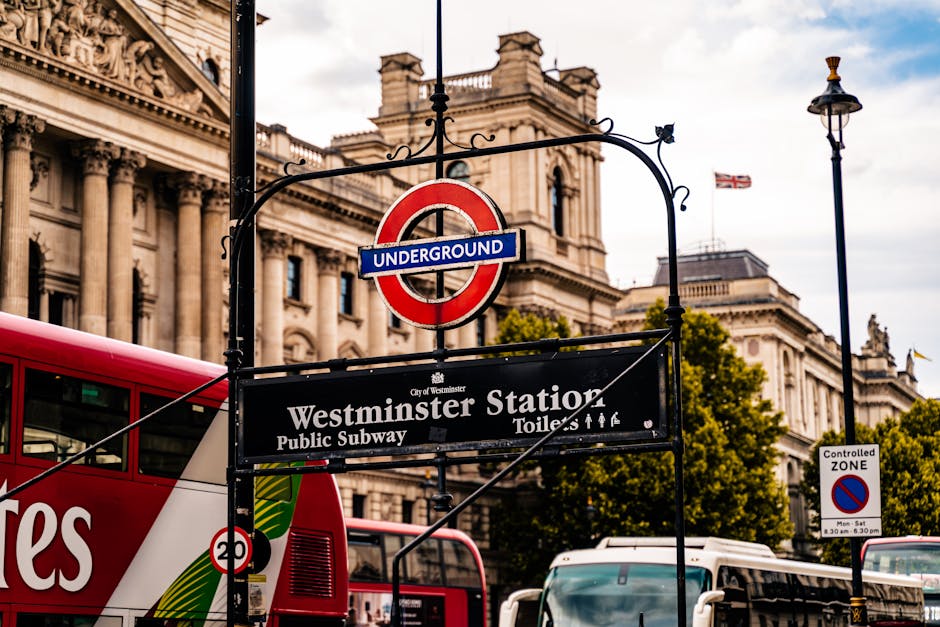
If you are planning a move in Pimlico, one of the first practical questions is this: does Westminster Council require removal permits in Pimlico? It is a fair question, because the answer can affect where the van stops, how long loading takes, and whether your move runs smoothly or turns into a bit of a headache. In Pimlico, with its narrow streets, controlled parking, and busy residential corners, the parking side of a removal is often just as important as the lifting side.
The short version is that a permit is not always needed for every move, but parking permissions, loading restrictions, and suspension rules can absolutely matter. That is the bit people miss. If you are moving from a flat on a quiet terrace near a main road, or from a mansion block where access is tight, you may need to plan around local restrictions even if you are only there for an hour or two. This guide breaks it all down in plain English, with the practical details that actually help on moving day.
Why this matters in Pimlico
Pimlico is one of those London areas where logistics can look simple on a map and then feel very different at street level. You may have a short distance to travel, but the real challenge is often access. There are parked cars, resident bays, loading constraints, and streets where a van cannot simply sit wherever it likes. So when people ask whether Westminster Council requires removal permits in Pimlico, they are usually really asking: can I legally stop the van close enough to move my things without getting fined or blocked?
That distinction matters. A removal permit, a parking suspension, a loading allowance, or special access arrangement are not always the same thing. One move may need none of them. Another may need planning several days ahead. In practical terms, the wrong assumption can lead to delays, extra carrying distance, missed time slots, and stress that nobody needs on moving day. Let's face it, there is already enough going on when you are packing the last box and trying to find the kettle.
For residents moving from flats, upper floors, or properties with limited frontage, the parking piece often determines the whole schedule. If the van has to park round the corner, the job becomes slower. If access is blocked, furniture protection and manpower matter even more. That is why experienced movers usually think about the street first and the boxes second. A sensible approach can save time, reduce risk, and keep neighbours onside too.
If you are still at the planning stage, it can also help to look at broader moving support such as the services overview and house removals in Pimlico so you can see how access, loading, and transport fit together.
How this usually works
The exact arrangements depend on the street, the type of vehicle, the time of day, and whether you need to occupy a bay or only load briefly. In Pimlico, the practical question is often not "is there a removal permit in the abstract?" but "what parking or access arrangement do I need for this exact address and time window?" That is a more useful way to think about it.
In normal day-to-day moving situations, one of the following tends to apply:
- Short loading only: the vehicle may stop briefly if local rules allow loading at that time.
- Bay use or bay suspension: if the van needs to stay put, a controlled bay may need to be booked or suspended.
- Restricted street access: some streets, times, or vehicle types have tighter controls, especially in busier parts of Westminster.
- Building-managed access: some blocks have their own rules for deliveries, porter access, or lift bookings that matter as much as council rules.
That final point is easy to overlook. A council rule might permit the van to stop, but the building might still require notice, a booked lift, or a protected route through communal areas. If you are moving from a flat, the building side and the council side should be checked together. For more context on flat-specific moving challenges, the guide to flat removals in Pimlico is particularly relevant.
In real life, this is how a move often unfolds: the mover arrives, the driver checks whether the stop is workable, and the team either loads immediately or adjusts the plan. When the access plan has been thought through beforehand, the move feels calm. When it has not, things can get a bit chaotic, and that usually starts with the van having to double-park just where it should not.
Key benefits and practical advantages
Getting the permit or parking question sorted early is not just about compliance. It has some very practical upside.
- Less risk of fines or enforcement action: if your vehicle needs to occupy a restricted space, you want that covered properly.
- Shorter carrying distances: the closer the van can get, the less time is spent hauling wardrobes, boxes, and awkward lamps across the pavement.
- Better protection for furniture: fewer handovers and fewer trips often mean less bumping, scraping, and stress on fragile items.
- Cleaner time planning: movers can work to a clearer schedule when parking is settled in advance.
- Less friction with neighbours: a properly arranged loading setup is usually less disruptive than an improvised one.
There is also a quieter benefit: confidence. Once you know the access plan is lawful and realistic, you stop worrying about whether the van will get ticketed while you are still carrying a mirror downstairs. That peace of mind matters more than people think.
It is similar to preparing boxes properly with packing and boxes support in Pimlico. Good prep may not look dramatic, but it changes the whole experience.
Who this is for and when it makes sense
Not every move in Pimlico needs the same level of parking planning. The people who should pay closest attention are usually:
- Residents moving from flats with limited frontage or tight stair access
- People moving on busy weekdays or peak commuter hours
- Anyone using a larger van, especially if it needs to stay in place for loading
- Landlords, agents, or tenants coordinating a move-out with narrow time windows
- Office movers needing more structured access and equipment handling
- Anyone with bulky items such as sofas, white goods, pianos, or multiple wardrobes
If that sounds like your situation, a little extra planning is sensible. You do not need to overcomplicate it, but you do need to respect the street. Pimlico is full of places where access looks straightforward until you realise a bay is resident-only, the kerb is busy, or the safest stopping point is several doors away.
Students and smaller households sometimes assume a simple man-and-van job means no planning is needed. Sometimes that is true. Sometimes it is not. A modest move can still run into restrictions if the van has to wait outside a controlled bay. If you are unsure, a service like man and van Pimlico or student removals Pimlico may be the right starting point because these moves are often planned around tighter access and shorter loading windows.
Step-by-step guidance
Here is a straightforward way to handle the question properly, without turning it into a whole project.
- Check your exact address and street conditions. Don't rely on a general assumption about Pimlico. One street can differ from the next.
- Decide how long the van will need to stop. A five-minute load is different from a full house move.
- Confirm whether the vehicle needs bay space, waiting space, or only loading access. This is the real make-or-break question.
- Speak to your mover early. A local team will usually know which streets are more awkward and where extra planning is sensible.
- Check building rules if you live in a block. Lift bookings, concierge rules, and access hours can matter just as much as the street.
- Prepare the items that are hardest to move first. Heavy or fragile things need the clearest route.
- Keep timing realistic. A move that feels rushed tends to create mistakes, and mistakes cost more than time.
For larger or more complex moves, it can help to use a structured removal service rather than trying to piece everything together at the last minute. The page for removal services in Pimlico is useful if you want to compare what a more complete move looks like.
One small but important note: if your removal falls on a tight turnaround day, do not assume the same arrangement that worked for a neighbour will work for you. Streets change, bays get busy, and building rules shift. It sounds obvious, but people do get caught out. More often than you'd think, actually.
Expert tips for better results
After enough local moves, a few patterns become clear. The jobs that go smoothly are usually the ones that have a little thought behind them.
- Plan around the longest item first. A sofa or mattress can change the best stopping point, especially if the entrance is narrow.
- Assume carrying distance matters. Fifty extra metres sounds harmless. On moving day, it really is not.
- Keep a clear route inside the property. Shoes, plant pots, hallway clutter, and loose rugs can slow everything down.
- Protect corners and communal areas. It is better for everyone, and it keeps the move professional.
- Use a local mover who understands Pimlico streets. That local knowledge is often worth more than a generic promise.
If you are moving furniture that needs extra care, it can also help to look at specialist support such as furniture removals in Pimlico. And if you are moving something particularly delicate or awkward, say a piano, the route and stopping point deserve even more attention; piano removals in Pimlico is the kind of service where access planning really earns its keep.
One practical tip from the field: if you are on a street where parking is tight, photograph the frontage the day before. It sounds a bit overcautious. It also helps enormously when you are trying to decide whether the van can sit safely without blocking the flow of traffic.
Common mistakes to avoid
Most problems are not dramatic legal issues. They are ordinary oversights that snowball. Here are the ones that come up most often.
- Assuming no permit is needed because the move is short. Short does not always mean unrestricted.
- Booking the vehicle before checking access. If the van cannot stop where you expected, the schedule goes sideways fast.
- Ignoring building management rules. The council is not the only authority that can affect the move.
- Leaving bulky items until the end. That is how you end up rushing the most awkward part of the day.
- Forgetting to plan for waste or packaging disposal. Boxes, broken furniture, and old items can clog the space just when you need it clear.
There is a related issue here too: after a clearout, people often wonder what to do with waste that cannot just sit on the pavement. If that is part of your move, the guide on handling bulky waste after a Pimlico clearout is a sensible companion read.
And if you are dealing with narrow access inside the property itself, which happens a lot in Pimlico, it is worth reading about safe furniture moving tips for narrow Pimlico stairs. The stairs are often the real villain in the story.
Tools, resources and recommendations
You do not need a suitcase full of tools for a successful move. You do need a few reliable habits and, ideally, a mover who knows how to plan around urban access.
- Measurement notes: write down the width of hallways, doors, and any awkward turns.
- Inventory list: know which items are large, fragile, or particularly valuable.
- Floor plan or simple sketch: especially helpful if furniture needs to be dismantled and rebuilt.
- Timing plan: work backwards from the move date so you are not packing at midnight.
- Removal quote comparison: use a service that explains access needs clearly, not just price.
If you are still comparing move types, removals in Pimlico, man with van Pimlico, and removal companies in Pimlico can help you understand which option matches your move size and access level best.
For people who are trying to keep things efficient, a quick reminder: not every move needs the same setup. Sometimes a smaller vehicle is better simply because it is easier to place legally and safely. That is one reason removal van Pimlico searches are so common for local moves.
Law, compliance, standards, or best practice
When people talk about permits in a removal context, they are usually talking about parking control rather than a removal licence in the abstract. In Westminster, the safest approach is to treat parking, loading, and access as regulated parts of the move and not as afterthoughts. That is especially true in neighbourhoods like Pimlico, where space is limited and a badly placed van can create a chain reaction of problems.
The best practice standard is simple: check before you block. If the vehicle needs to occupy a controlled bay, stop in a restricted place, or remain outside a property for more than a very brief loading period, assume you need to verify the local rules and get the appropriate arrangement. Do not rely on guesswork. If anything about the bay, the street, or the timing looks uncertain, that is your sign to slow down and confirm the detail.
Good movers also work to safety standards in the way they lift, load, and protect property. That means using sensible handling methods, keeping routes clear, and planning where the vehicle can sit without creating unnecessary risk. For a service provider, it is worth checking pages like insurance and safety and health and safety policy so you know what standards are being followed behind the scenes.
There is a second compliance layer too: recycling and disposal. If a move includes unwanted furniture or packing waste, treating it responsibly is part of good practice, not just tidiness. That is why recycling and sustainability belongs in the planning conversation as much as parking does.
Options, methods, or comparison table
Different moves in Pimlico need different approaches. Here is a simple comparison to help you decide what is most sensible.
| Approach | Best for | Strengths | Watch-outs |
|---|---|---|---|
| Self-managed small move | A few boxes or light furniture | Low cost, flexible timing | Easier to misjudge parking and carry distance |
| Man and van | Single flats, student moves, smaller households | Practical, quick, often ideal for local access | Still needs careful street and loading planning |
| Full removal service | House moves, larger flats, bulky furniture | More support, better for complex jobs | More coordination needed before move day |
| Specialist removal | Pianos, fragile items, office equipment | Designed for awkward or valuable items | Usually depends heavily on access planning |
In plain terms, the more awkward the access, the more helpful a planned service becomes. If your move is straightforward, a smaller setup may be enough. If not, it is wiser to build in support than to gamble on a last-minute solution.
Case study or real-world example
Picture a typical Pimlico flat move on a weekday morning. The household is leaving a second-floor property, there is a sofa that barely clears the hallway, and the street outside has limited stopping space. The family assumes the van can simply pull up for twenty minutes. On the day, they discover the nearest bay is busy and the street is narrower than expected. Suddenly the move involves extra carrying, more waiting, and a lot of quiet frustration.
Now picture the same move with a bit of planning. The mover checks the street conditions in advance, the team agrees on a realistic loading spot, the most awkward furniture is prepared first, and the building knows what time the move starts. The boxes go out in a steady rhythm. A bit of street noise, some door propping, the occasional "mind that corner" call, and then it is done. Not perfect, but smooth. That is the difference a proper access plan makes.
We have seen this pattern enough times to say it plainly: the move is rarely difficult because of the boxes alone. It is difficult when the parking, loading, and access decisions are left too late. If you are trying to keep the whole process calm, a local provider with clear planning support, such as same day removals Pimlico for urgent situations or office removals Pimlico for more structured moves, can make life much easier.
Practical checklist
Use this before moving day. It is simple, but it catches most of the preventable issues.
- Confirm your exact moving date and time window
- Check whether the van needs to stop in a controlled bay or loading area
- Review street access and likely congestion at that time of day
- Ask the building about lift bookings, access codes, or delivery rules
- Measure large furniture and note anything that needs dismantling
- Label fragile items clearly and pack them last if possible
- Keep hallways and stairwells clear before the team arrives
- Set aside anything you do not want moved
- Plan what happens to unwanted items, boxes, and waste
- Have a contact number ready in case the mover needs to confirm details quickly
If you want a better sense of what local moves around Pimlico actually feel like street by street, these pages are worth a look: the Belgrave Road to St George's Square local move checklist and moving to Churchill Gardens with street-by-street removals.
Conclusion
So, does Westminster Council require removal permits in Pimlico? The honest answer is that sometimes you need a permit-like parking arrangement, sometimes you do not, and the correct answer depends on the street, the loading conditions, the vehicle, and the building access. That is not the neatest answer in the world, but it is the useful one.
What matters most is planning early enough to avoid assumptions. In Pimlico, where parking is tight and access can be awkward, a few minutes of preparation can save a lot of hassle later. Check the street, check the building, choose the right size vehicle, and work with a mover who understands local conditions. Simple. Not always easy, but simple.
If you are getting ready to move and want a clear, practical conversation about access, timing, and the right removal setup, reach out and get proper guidance before the boxes start piling up.
Get a free quote today and see how much you can save.
And if the day feels a bit overwhelming, that is normal. A well-planned move in Pimlico has a way of feeling much lighter once the first load is on the van and the street noise fades behind you.


 CALL US NOW


