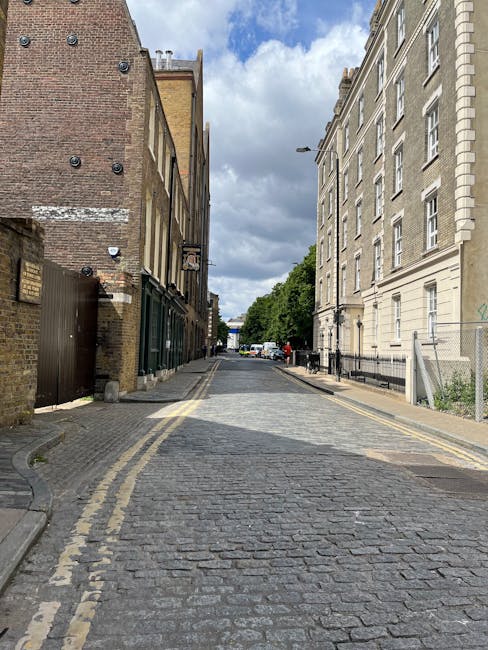
Removals on Lupus Street SW1V: Access and Parking Tips
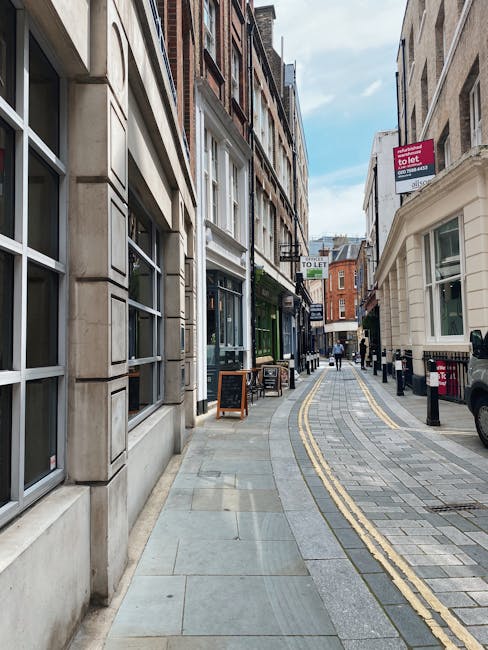
If you are planning a move on Lupus Street in SW1V, the big challenge is rarely the boxes. It is usually the street itself: narrow access, limited stopping space, resident parking pressure, and the simple fact that one badly parked van can throw the whole day off. Removals on Lupus Street SW1V: Access and Parking Tips is really about avoiding that stress before it starts. A good move in this part of Pimlico depends on timing, vehicle choice, and a bit of local common sense.
In this guide, we will walk through how access typically works, what to check before moving day, and how to reduce delays without making the process more complicated than it needs to be. You will also find a practical checklist, a comparison table, and a realistic example based on the sort of issues people run into on central London streets like this. Truth be told, a calm move in SW1V is usually the result of a few smart decisions made early.
Why Removals on Lupus Street SW1V: Access and Parking Tips Matters
Lupus Street sits in a part of London where space is precious and patience gets tested quickly. That sounds obvious, but it changes everything about how a removal should be planned. A standard house move can become messy very fast if the van cannot stop close enough to the property, or if the loading area is blocked by other vehicles, deliveries, or the usual weekday traffic rhythm.
For anyone moving here, access is not a small logistical detail. It affects how long the crew needs, how many trips are required, whether larger furniture can be loaded efficiently, and even how safe the move is for the people carrying the items. A sofa carried too far on a busy pavement is not ideal. Not at all.
Parking also matters because many London removal delays begin with a simple assumption: "We will just find a space when we get there." On a street like Lupus Street, that can be optimistic in the wrong way. Better to plan the stopping point, check restrictions, and think through how the van will enter and exit before moving day starts.
Practical takeaway: the less your move depends on luck, the smoother it will go. Access planning is one of those unglamorous tasks that saves real time, money, and stress.
How Removals on Lupus Street SW1V: Access and Parking Tips Works
A well-planned removal on Lupus Street usually begins with a short access review. That means looking at the property type, the road layout, likely parking availability, and the distance between the van and the front door. If you are in a flat, the route from the entrance to the vehicle matters almost as much as the space outside the building. Stairs, intercom entry, and shared hallways can all add time.
In practice, the process often works like this:
- The mover or customer checks the exact address, building entrance, and road conditions.
- The team decides what size vehicle is appropriate, from a smaller removal van to a larger truck.
- The parking approach is planned around restrictions, loading bays, or legal stopping space.
- Items are packed so that the loading order matches the easiest route out of the property.
- On the day, the crew tries to keep the vehicle as close as possible while staying within the rules and avoiding obstruction.
The details are what make the difference. For example, if a building has a narrow stairwell and no lift, bulky furniture may need to be dismantled in advance. If the street is busy at school-run or commuter times, an earlier start can make loading much easier. These are not dramatic secrets, just small decisions with outsized impact.
If you are comparing services, it can help to look at broader moving support too, such as removal services, flat removals, or even a flexible man with van option when the move is lighter and access is tight. Different setups suit different streets. Lupus Street is one of those places where "right-sized" is often better than "largest available."
Key Benefits and Practical Advantages
Good access and parking planning may not sound exciting, but it brings a lot of practical benefits. And yes, those benefits show up very quickly on moving day.
- Faster loading and unloading: less walking distance means fewer delays and less physical strain.
- Lower risk of damage: shorter carry routes reduce the chance of knocking walls, door frames, or furniture corners.
- Better time control: a move that starts on time is far easier to manage than one delayed by parking confusion.
- Improved safety: controlled access is safer for movers, residents, and neighbours passing by.
- Less disruption to neighbours: thoughtful parking makes the process feel more considerate, which matters in shared residential streets.
- More accurate quotes and scheduling: when access is understood properly, the moving plan is more realistic.
There is also a quieter benefit: peace of mind. You are not standing at the window wondering where the van will end up, or whether the building entrance will be blocked. That calm is worth a lot, especially on a move day when everything else is already in motion.
People often ask whether access planning is worth the effort for a small move. Honestly, yes. Even a one-bedroom flat can become difficult if parking is awkward or the lift is small. The move may be light, but the logistics can still bite.
Who This Is For and When It Makes Sense
This guide is useful for several types of movers in SW1V. Some are in a hurry. Some are moving out of a compact flat. Others are relocating a household with larger furniture, or moving office items that need careful timing. The common thread is this: the street environment matters more than people expect.
You will probably benefit from these tips if you are:
- moving from or to a flat on Lupus Street;
- planning a same-day move and want to avoid unnecessary waiting;
- moving with large furniture, appliances, or fragile items;
- trying to keep costs under control by reducing wasted labour time;
- working around residents' parking, loading restrictions, or tight access;
- booking a professional move and want to brief the team properly.
It also makes sense if you are comparing options. A full house move, for example, may need a different setup from a simple furniture pick-up. In some cases, storage can be helpful if access is awkward and you need to break the move into two stages. That kind of decision is a lot easier when you have already thought through the street conditions.
To be fair, people sometimes underestimate the difference between "move day" and "move well." This article is for the second one.
Step-by-Step Guidance
Here is a practical way to plan removals on Lupus Street SW1V without overcomplicating it. It is simple, but simple is not the same as careless.
1. Check the exact access at both ends
Start with the front door, building entrance, stairwell, lift, and any internal obstacles. Then check the pickup and drop-off side of the move. If either property has a narrow entrance, a basement level, or a courtyard approach, note it early. The moving team needs that picture before the van arrives.
2. Match the vehicle to the street, not just the load
A large vehicle may seem efficient, but on a tight street it can become more trouble than help. A smaller removal van or a more flexible service may be better if parking is restricted or access is tight. This is one of those decisions where "best fit" beats "biggest vehicle."
3. Plan the parking approach before moving day
Think about where the van is likely to stop, how long it may need, and whether there is enough space to load safely. If the street is busy, consider a time window when traffic is lighter. Early morning can work well in some areas, though it depends on the building and the local rhythm. You do not want to be stuck in a three-point turn when everyone else is trying to leave for work. Nobody enjoys that.
4. Prepare the property for a short carry distance
Clear hallways, protect floors if needed, and keep doorways open where possible. If a sofa must turn sharply through a tight corner, measure it in advance. Moving crews see this kind of thing all the time, and yes, a little preparation saves a lot of muttering under the breath.
5. Pack in the order of loading, not just unpacking
Boxes that will go in last should not be buried first. Keep important items, fragile goods, and immediate essentials separate. If you are using packing and unpacking services, ask how items will be grouped for easier loading. Good packing is not just about protection. It is about flow.
6. Confirm any building rules or permissions
Some buildings have booking systems for lifts, concierge coordination, or access windows. If that applies, line it up early. If a key or fob is needed, make sure it is on hand. One missing fob can slow the whole morning down, and that is a silly way to lose time.
7. Build in a buffer
In central London, small delays have a habit of becoming bigger ones. Build a little slack into the day. A buffer helps if the van needs to park slightly further away than expected or if another vehicle is temporarily in the way. It is not pessimistic. It is just realistic.
Expert Tips for Better Results
The best removal jobs on tight London streets usually look calm from the outside because the team has done the unglamorous thinking beforehand. Here are the habits that make a real difference.
- Use a smaller vehicle when access is uncertain. It is often easier to do one controlled trip in the right van than two awkward trips in the wrong one.
- Label bulky items clearly. If furniture needs disassembly, let the team know in advance so the right tools are ready.
- Keep essentials separate. Kettle, phone charger, documents, medication, and keys should never disappear into the last box. Sounds basic, but it happens.
- Think about weather. A wet morning changes pavement grip, box handling, and how long it takes to keep everything clean and safe.
- Choose the right moving window. Mid-morning may be busier than you expect. Sometimes the quietest hour is earlier than people plan for.
- Ask about insurance and handling standards. If the move includes valuable or fragile items, it is worth understanding how they will be protected.
One practical observation from real-world moving is that the person who knows the building best is often the resident, not the mover. If you already know that the stairwell turns sharply on the second landing or the side gate sticks when it rains, say so. It saves everyone a headache.
Expert summary: On Lupus Street, the winning formula is usually simple: keep the route short, the vehicle suitable, the timing sensible, and the plan flexible enough to absorb a small delay without chaos.
Common Mistakes to Avoid
Most moving problems here are predictable. That is the good news. The bad news is that people still make the same mistakes, usually because they are trying to do too much at once.
- Assuming parking will be easy: central London streets rarely reward guesswork.
- Booking a vehicle that is too large: this can create access issues and slow loading.
- Leaving packing too late: rushed packing leads to lost time and more damage risk.
- Forgetting building restrictions: lift bookings, access codes, or time windows are easy to overlook.
- Not measuring large items: if a wardrobe will not fit through the hallway, it is better to know before the van arrives.
- Ignoring neighbour impact: blocking entrances or walkways can create friction that nobody needs.
A subtle mistake is under-communicating. If you are not sure whether the van can stop directly outside, say so. If there is a loading bay nearby but not right on the doorstep, say that too. "Probably fine" is not the same as "planned."
And yes, sometimes the most useful sentence you can give a mover is, "There is a tight bend near the front door, and the basement steps are awkward." It is a tiny detail, but it changes the whole plan.
Tools, Resources and Recommendations
You do not need a truckload of specialist gear to make this move work, but a few simple tools and preparations help a lot. If you are aiming for a smoother day, these are worth having in place.
- Measuring tape: useful for doors, corridors, furniture, and stair turns.
- Basic packing materials: sturdy boxes, tape, wrapping, and labels.
- Notepad or phone checklist: helpful for tracking keys, access codes, and priority items.
- Furniture covers or blankets: useful for protecting finishes on narrow internal routes.
- Clear route plan: a simple note of where the van can stop and which entrance should be used.
For support with general moving logistics, pages such as home moves, house removals, and man and van can be useful starting points if you are trying to match service type to the size and complexity of the job. If the move includes heavy or awkward items, furniture removals and piano removals show how specialist handling can matter when access is not generous.
If you are comparing providers, look beyond the headline price. Ask how they approach tight streets, whether they have experience in central London, and how they handle short-notice parking changes. A good answer should feel practical, not vague. You can usually tell straight away whether someone knows what a real moving day looks like.
Law, Compliance, Standards and Best Practice
For moves in London, compliance is usually less about dramatic legal complexity and more about behaving sensibly within local parking, access, and property rules. You should always follow applicable parking restrictions, building rules, and any instructions from landlords, managing agents, or local enforcement bodies. If a road has limited stopping space or loading rules, those need to be respected. No shortcuts there.
Professional movers also work to general safety expectations: safe lifting, careful loading, proper handling of fragile goods, and clear communication around hazards. If stairs are tight, floors slippery, or access is awkward, those conditions should be treated as part of the job planning, not an afterthought.
For customers, the best practice is straightforward:
- give accurate access details;
- share any restrictions early;
- keep pathways clear where possible;
- ensure keys, codes, and permissions are ready;
- ask about insurance, handling, and any limits before the move starts.
It is also sensible to review the moving company's policies around safety, payment, and terms before booking. Resources like health and safety policy, insurance and safety, terms and conditions, and payment and security can help set expectations. That is not overcautious. It is just good housekeeping.
Options, Methods and Comparison Table
There is no single best moving method for every Lupus Street job. The right choice depends on access, volume, timing, and how much help you want on the day. Here is a simple comparison to make the decision easier.
| Option | Best for | Access advantages | Things to watch |
|---|---|---|---|
| Man and van | Smaller moves, single-room moves, flexible scheduling | Easier to manoeuvre on tight streets | May need multiple trips for larger loads |
| Removal van | Medium-sized domestic moves | Good balance of capacity and practicality | Parking space still needs checking |
| Moving truck | Larger or fuller house moves | Efficient for bigger volumes | Can be harder to position on restricted streets |
| Specialist removals | Heavy, fragile, or high-value items | Better handling for awkward items | May require extra planning and coordination |
If you are not sure where your move fits, start with the access question first, not the item count. A modest load can still be awkward if the street is tight. On the other hand, a fuller move can be manageable if parking is straightforward and the team has enough space to work. Access often decides the method more than people expect.
Case Study or Real-World Example
Imagine a resident moving from a second-floor flat on Lupus Street to another property nearby. The furniture is not excessive: a bed, a sofa, a dining table, boxes, and a couple of fragile items. At first glance, it looks like a standard move. But the entrance is narrow, the stairwell bends sharply, and the street outside is busy enough that random stopping would be a bad idea.
Instead of sending the largest van available, the move is planned around a smaller vehicle and an early start. The resident confirms lift access at the new property, labels boxes by room, and keeps essentials separate. The team is told in advance that the sofa legs may need removing, and one shelf unit is dismantled before the day. Simple, but effective.
What happens on the day? The van stops as close as possible without causing obstruction, loading takes less time than feared, and the crew avoids the usual back-and-forth of trying to wedge oversized items through a narrow entrance. There is still a little waiting, because London is London, but the job stays controlled. No drama. Which, on moving day, is pretty much the dream.
The lesson is not that everything goes perfectly. The lesson is that small decisions can keep a move from becoming a headache. That is especially true in areas like SW1V where a few metres of parking space can make all the difference.
Practical Checklist
Use this checklist a day or two before the move. It keeps the important bits in one place and helps you avoid those last-minute "oh no" moments.
- Confirm the moving date, arrival window, and any access instructions.
- Check whether parking or loading space is likely to be available near the property.
- Measure large furniture, doorways, and stair turns if needed.
- Tell the mover about lifts, entry codes, courtyard access, or narrow hallways.
- Prepare keys, fobs, and any building permissions in advance.
- Keep essential items separate and clearly labelled.
- Protect floors and fragile surfaces where traffic is heavy.
- Make sure rubbish, loose clutter, and empty boxes are out of the way.
- Decide whether a smaller vehicle, full removal team, or flexible service is the better fit.
- Leave a little time buffer for traffic, parking changes, or building delays.
If you are also dealing with surplus items, it may help to plan a separate collection or disposal route rather than trying to cram everything into one stressful morning. Services such as furniture pick up, student removals, or even same day removals can be relevant depending on how quickly you need the job done.
Conclusion
Removals on Lupus Street SW1V work best when access and parking are treated as part of the move, not a side issue. That means choosing the right vehicle, checking the route, understanding likely restrictions, and allowing enough time for the real-world quirks of a central London street. Once those basics are in place, the rest of the move usually becomes much easier to manage.
The good news is that most problems here are preventable. A few measurements, a sensible schedule, and clear communication can save a surprising amount of stress. And if you have ever watched a van trying to edge into a space that is clearly too small, you already know why planning matters. Small street, big difference.
If you are organising a move and want a smoother start, it is worth comparing service levels, asking the right questions, and making sure the team understands the access conditions before the first box is lifted. A little care at the front end tends to pay off all day long.
Get a free quote today and see how much you can save.
Frequently Asked Questions
What makes Lupus Street difficult for removals?
Lupus Street can be challenging because central London roads often have limited stopping space, regular traffic, and a lot of competition for parking. Even a short move can slow down if the van cannot stop close to the entrance.
Should I book a small van or a larger removal truck?
It depends on the size of the move and the access available. If parking is tight or the street is difficult to manoeuvre, a smaller vehicle may actually be the smarter choice. A bigger truck only helps if it can be positioned safely.
How far in advance should I plan parking for my move?
The earlier the better. You do not always need a complex parking arrangement, but you should know the likely stopping point and whether any restrictions apply. Leaving this until the morning of the move is, frankly, asking for trouble.
What if there is no space directly outside my property?
That is common in SW1V. The move can still work if the team has a sensible nearby stopping point and the route is clear. The key is to estimate the carry distance in advance so the schedule remains realistic.
Do I need to tell the moving company about stairs and lifts?
Yes. Stairs, lifts, and corridor widths can change the whole moving plan. A lift that is small or booked at a certain time may affect loading order, vehicle choice, and how long the move takes.
Can access issues increase the cost of a removal?
They can, depending on the service and how much extra time or labour is needed. Not every provider prices the same way, so it is wise to explain access conditions clearly when requesting a quote.
What should I pack separately for move day?
Keep essentials handy: keys, documents, chargers, toiletries, medication, a kettle if you are the practical type, and a change of clothes. Having the first-night items available makes the day feel much less chaotic.
Is it better to move early in the morning?
Often yes, though it depends on the property and local restrictions. Earlier starts can mean less traffic and a better chance of finding workable space. Still, you need to match the timing to the building and the street conditions.
How do I avoid damage when carrying items from the van to the property?
Keep the route clear, protect tight corners, and make sure items are packed securely. If the walk from van to door is long or uneven, using blankets, covers, and careful lifting makes a real difference.
What kind of move is best for a single flat in SW1V?
For a smaller flat, a flexible man and van or compact removal setup often makes sense. It is usually easier to manage in a built-up area, especially if the parking situation is uncertain.
Are there best practices for move day communication?
Yes. Keep your phone charged, share the address clearly, and tell the movers about any access changes as soon as you know them. Good communication saves time, and time is always welcome on moving day.
Where can I find more information about the service before booking?
You can review the company's pages on pricing, policies, and service details to understand how the move will be handled. For many people, that extra bit of clarity makes the whole process feel much more manageable.